A P-art-ing Word About Paper
I think that the most overlooked component of a good writing experience is the paper. Pens and ink are often the focus of casual writing, hoping to cure either smudging or a scratchy experience, and there is merit to that approach. It’s most obvious, easy, and often leads to satisfactory results for unsatisfactory writing. And that’s the issue, their writing is unsatisfactory. The art of writing by hand isn’t the content of your page. If I wanted to read writing with content of literary merit, the black-spined Penguin classics have yet to fail me. It’s the warmth and passion imbued in your lettering that make writing by hand so beautiful, and the best way to exemplify it is with proper paper.
 |
| A gorgeous ink swatch on Tomoe River S |
The issue with good paper is that it often requires more of the writer. Papers such as Tomoe River (both versions) or Iroful have a cult following for their properties, yet are among the most temperamental in the hobby. They’re thin (think slightly thicker bible paper) and, most vexingly, react poorly with hand oils. Yet beyond the many quirks of these papers, their merit is undeniable in the process. Watching ink dry on these papers, unlike paint, is genuinely exhilarating. The sheen and shade of ink, which would’ve been lost on common paper, are on full display when writing on specialized paper. Subtle hues reveal a multifaceted color profile for a seemingly monochromatic ink.
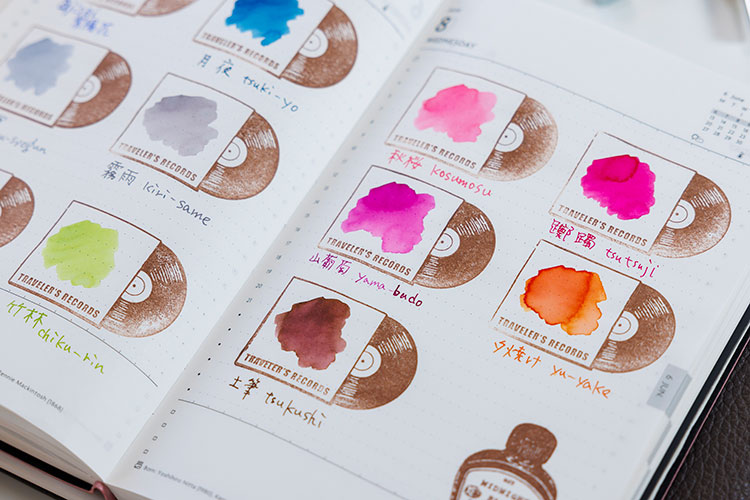 |
| I'm rather partial to the Neo Agenda Paper from Mark's |
True art is created in this context, a tailored experience that demands from its creator time and dignity. If you’re not willing to commit to either of those elements in pursuit of any craft, how could it be called art? Art isn’t necessarily anything aesthetic, although it often emerges as a byproduct, but rather a testament to the humanity of struggle. The greatest masterpiece that humanity has ever created is the temperance of one’s passion in pursuit of the loftiest visions.


Comments
Post a Comment